Treat the first FSBO conversation as discovery, not a listing-presentation ambush. Ask permission, learn the seller’s plan, offer one relevant resource and secure a specific follow-up date while respecting contact preferences and brokerage rules.
In this guide
- Define the objective of the first call
- Complete the two-minute pre-call check
- Use a transparent, permission-based opener
- Ask questions that reveal the plan
- Bridge common responses without debating
- Build a 14-day value-first follow-up plan
- Use a short appointment checklist
- Track quality, not only appointments
- Your first action
- When coaching can help
Many owners selling without an agent expect the caller to challenge their decision. If your opening immediately argues about commission or predicts failure, you confirm that expectation. A better first conversation has a smaller goal: understand the seller’s plan, identify one place you can be useful and earn permission for a defined follow-up.
This approach does not guarantee an appointment. It gives you a repeatable way to create professional conversations without disguising your intent. Use your brokerage’s approved language, follow applicable calling and messaging rules, and stop outreach when the owner asks you to stop.
Define the objective of the first call
The objective is not to overcome every objection. By the end of a useful first call, you should know the seller’s motivation, intended timing, current marketing approach, showing process and preferred next step. The seller should know you are a real estate agent and why you called.
| Weak objective | Better objective |
|---|---|
| Convince the owner to list immediately | Learn whether an agent conversation could become relevant and when |
| Deliver a long pitch | Ask concise questions and listen for a real problem |
| Prove the owner is wrong | Understand the plan and offer evidence or a tool |
| Add the person to an endless campaign | Obtain permission for one specific follow-up |
Complete the two-minute pre-call check
- Confirm the property is still being offered by the owner and review the public listing information.
- Note one specific, neutral detail you can ask about rather than pretending to know the owner’s results.
- Prepare one useful offer, such as a showing-feedback worksheet, launch checklist or local market activity summary.
- Check your brokerage policy and the contact method against applicable consent, opt-out and Do Not Call requirements.
- Open the CRM record and create fields for motivation, timing, obstacle, next action and permission.
Use a transparent, permission-based opener
Example opener: “Hi, this is [name] with [brokerage]. I saw that you’re offering the home on [street] directly. I am a real estate agent, and I’m calling to understand your plan and see whether one of my seller resources would be useful. Is now a bad time for two quick questions?”
If the owner says it is a bad time, offer to end the call. If they are open, move into discovery. The permission question is not a trick; it is a real choice. Keep your tone curious and do not race into a listing pitch.
Ask questions that reveal the plan
- What prompted the move, and what needs to happen next if the home sells?
- What timing are you working toward?
- How did you decide on the asking price and launch plan?
- How are you handling inquiries, buyer qualification, showings and feedback?
- What part of selling on your own feels most under control?
- What part is taking more time or creating more uncertainty than expected?
- If you decided to interview an agent later, what would that agent need to prove?
You do not need every question on every call. Follow what the seller says and summarize it back. The most useful note is not “FSBO lead.” It is the seller’s decision condition: for example, “will evaluate help after two weekends if showing volume is low.”
Bridge common responses without debating
“We are selling ourselves to save the commission.”
Example response: “That makes sense as a goal. I’m not calling to talk you out of it on the spot. Would it be useful if I sent a simple net-sheet worksheet so you can compare offers and selling costs consistently? If you want, I can check back after your next weekend of showings.”
“We already have interested buyers.”
Example response: “That is good context. What is the next decision point—showing, written offer or financing confirmation? I can send an offer-comparison checklist if that would help you organize the terms. If you have everything covered, I’ll respect that.”
“We do not want agents calling.”
Example response: “Understood. I’ll end the call and note that you do not want further contact from me. I hope the sale goes smoothly.”
Respecting a clear no is part of the system. Do not convert an opt-out into an objection-handling exercise.
Build a 14-day value-first follow-up plan
Use only channels and timing that are permitted and welcomed. Each touch should have a different purpose. Do not send the same “just checking in” message repeatedly.
| Timing | Value offered | Suggested ask |
|---|---|---|
| After the first conversation | The one resource tied to the seller’s stated concern | “Was this the information you expected?” |
| Day 3 or agreed date | One relevant local activity observation, without overstating conclusions | “Has the inquiry or showing pattern changed?” |
| After the first weekend | Showing and feedback review worksheet | “Would a ten-minute review be useful?” |
| Day 7–10 | Illustrative option comparison: continue alone, adjust the plan or interview agents | “Which option are you leaning toward?” |
| Day 14 or seller-selected date | Clear invitation to a no-pressure listing consultation | “Would it help to compare your current plan with a full-service launch?” |
Use a short appointment checklist
- Confirm all decision-makers and the purpose of the meeting.
- Ask for the property facts and concerns needed to prepare responsibly.
- Bring a pricing and market-evidence process, not a predetermined promise.
- Show the seller what your service changes before discussing compensation.
- Explain agency, services and compensation using current brokerage-approved materials.
- End with a written next decision and follow-up date, even if the decision is not to list.
Track quality, not only appointments
| Weekly measure | What it tells you |
|---|---|
| Prepared attempts | Whether the prospecting habit happened |
| Two-way conversations | Whether your lists and timing create contact |
| Decision conditions captured | Whether agents are listening instead of pitching |
| Resources delivered with permission | Whether follow-up is relevant |
| Specific follow-up dates | Whether the pipeline has real next actions |
| Consultations held | Whether value-first conversations advance |
Treat these as operating measures, not promises of a particular conversion rate. Review a small sample of notes each week. If the records contain generic labels instead of motivation, timing and decision conditions, improve the questions before increasing call volume.
Your first action
- Choose one useful FSBO resource you can deliver immediately.
- Write the transparent opener in your own speaking style.
- Create the five CRM fields: motivation, timing, obstacle, permission and next action.
- Role-play the three response branches until you can stay calm and concise.
- Make a small prepared call block, document every outcome and review the notes afterward.
When coaching can help
FSBO prospecting touches Lead Generation, Sales Mastery, Client Experience and AI & Systems. Elite Agent Accelerator helps agents connect the conversation, follow-up record and weekly review instead of collecting isolated scripts. Cory Williams is an active Managing Broker and Williams Ave. Real Estate founder with 500+ career transactions and more than $275 million in career sales. Coaching is most useful when it helps you practice, inspect real notes and improve the system while preserving consent and professional judgment.
Sources & further reading
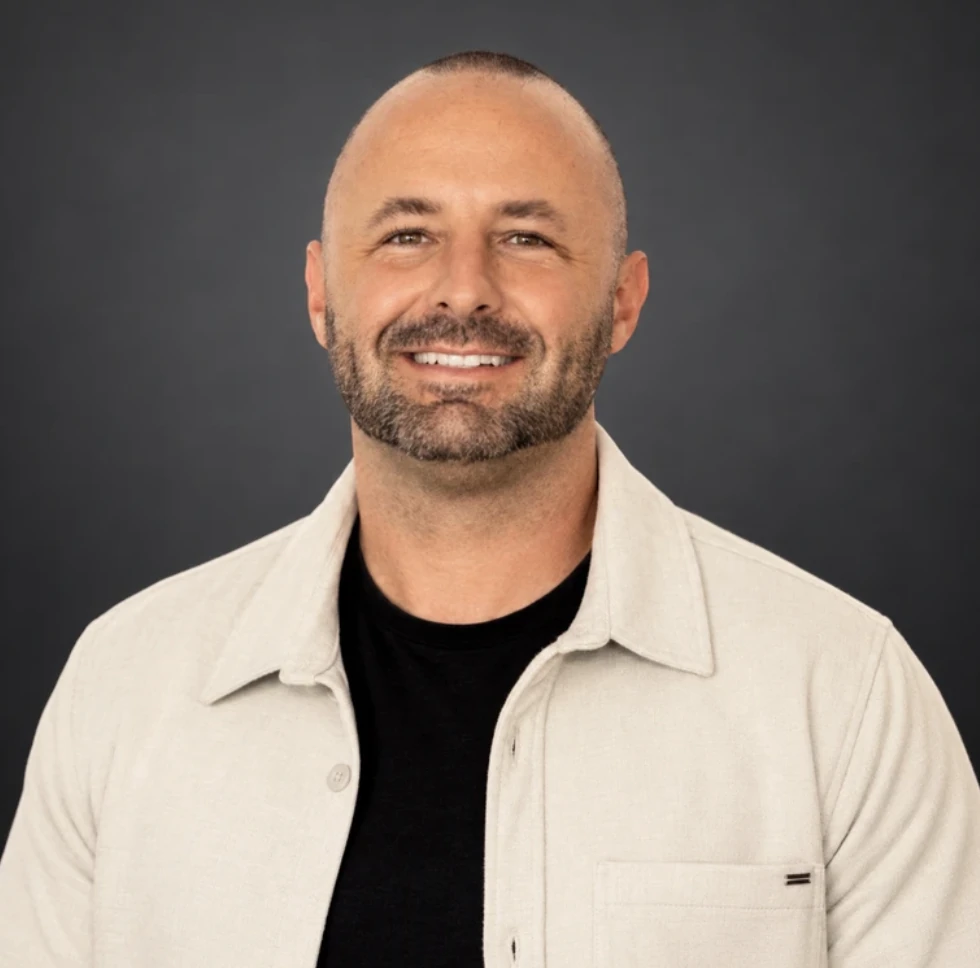
Cory Williams
Managing Broker, Williams Ave. Real Estate founder, and the coach behind Elite Agent Accelerator. 500+ career transactions and over $275 million in career sales.
Meet Cory & explore the program